



Green BIM: Successful Sustainable Design with Building Information Modeling
Contents
Chapter 1 Introducing Green
Sustainability
A Brief History of Sustainable Design 2
Recent Trends Toward Sustainable Design 6
Defining Sustainable Design 9
Why Is Sustainable Design Important? 13
Green Building Rating Systems 16
Living Buildings: The Near Future of Sustainable Design 23
Chapter 2 Building Information Modeling
What Is BIM?
Why Is BIM Important? 29
Understanding BIM 32
Basic Benefits of BIM 34
A Change in Method and Approach
Beyond Documentation.
Migrating to BIM
BIM as a Workflow
Lewis and Clark State Office Building
Ranges of BIM
Chapter 3 Integrated Design Teams
The Shift in Responsibility
Why an Integrated Design.
The Team Members
The Designers 58
The Owner 59
The Contractor 60
The Community 60
Collaboration, Commitment, and Passion
Collaboration 61
Owner Commitment 63
Project Team Passion 64
Facilitating Integration in Process
Design Phase Workshops 65
Predesign 65
Schematic Design 66
Design Development 66
Construction Delivery Method
Design-Bid-Build 67
Negotiated Guaranteed Maximum Price 69
Design-Build 71
Is One Construction Delivery Method the Best? 73
Moving Forward
Chapter 4 Methodology For Sustainable Solutions
Order of Operations
Understanding Climate, Culture, and Place 76
Understanding the Building Type 91
Reducing the Resource Consumption Need 96
Using Free/Local Resources and Natural Systems 103
Using Efficient Man-made Systems 115
Applying Renewable Energy Generation Systems 121
Offsetting Your Negative Impacts 124
Chapter 5 Sustainable BIM: Building Form
Getting Started
Building Orientation
Understanding the Impacts of Climate 132
Reducing Resource Need 134
Setting Project Goals 135
Using BIM for Building Orientation: Finding Solar South 136
Building Massing.
Understanding the Impact of Climate, Culture, and Place 141
Reducing Resource Need 143
Using BIM for Building Massing 143
Analyzing Building Form 147
Optimizing the Building Envelope 148
Daylighting
Understanding the Impacts of Climate, Culture, and Place 157
Setting Project Goals 157
Using BIM for Daylighting 159
Chapter 6 Sustainable BIM: Building Systems
Water Harvesting
Understanding the Impacts of Climate 167
Reducing Water Need 167
Defining a Baseline and Setting Goals 168
Using BIM for Water Harvesting 169
Analyzing Water Harvesting 177
Optimizing Water Harvesting 178
Energy Modeling.
Understanding the Impacts of Climate 180
Reducing Energy Needs 180
Energy Use Baseline and Setting Project Goals 181
Using BIM for Energy Analysis 184
Using Renewable Energy.
Understanding the Impacts of Climate and Place 193
Reducing Energy Needs 195
Using BIM for Renewable Energy 196
Analyzing Renewable Energy 198
Optimizing a Solar Array 200
Using Sustainable Materials
Understanding the Impacts of Climate, Culture, and Place 201
Reducing Material Needs 203
Setting a Baseline 204
Using BIM for Sustainable Materials 204
Chapter 7 The future of BIM and Sustainable Design 209
Moving Forward with BIM
Using BIM as a Tool for Integration
A Fundamental Tenet of True Sustainability
Moving Forward with Sustainable Design.
Leading by Example 213
Funding Green Design 218
Opportunities for Change 219
| Brand | ebookxaydung Tiếng Việt |
|---|
Hãy là người đầu tiên nhận xét “Green BIM – Successful Sustainable Design with Building Information Modeling (PME0030)”
Sản phẩm tương tự

Tài liệu phần mềm tiếng Anh
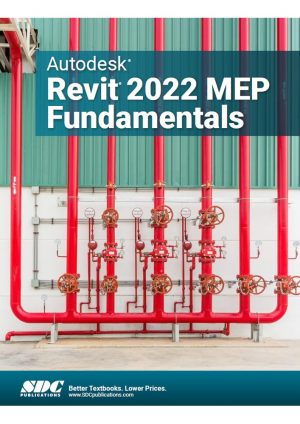
Revit Architecture 2022 for Designers – Douglas R. Seidler (PME0027)
Tài liệu phần mềm tiếng Anh

Tài liệu phần mềm tiếng Anh
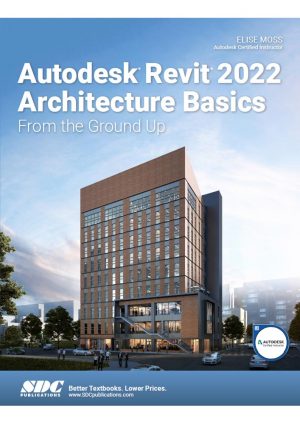
Rendering in SketchUp- From Modeling to Presentation (PME0020)
Tài liệu phần mềm tiếng Anh
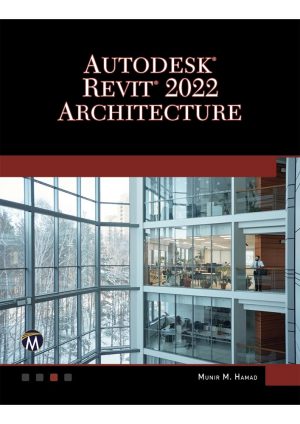
Autodesk Revit 2022 Architecture Basics From the Ground Up (PME0025)
Tài liệu phần mềm tiếng Anh

Tài liệu phần mềm tiếng Anh
Modeling, Analysis & Design of RC Building Using ETABS (PME0003)

Tài liệu phần mềm tiếng Anh
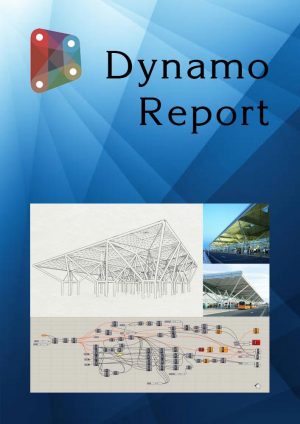
ADAPT – Structural calculations for post-tensioned flat slab with drop caps (PME0012)
Tài liệu phần mềm tiếng Anh

Đánh giá
Chưa có đánh giá nào.