



Structural Design for Fire Safety
Contents:
1 Introduction
1.1 Objective and Target Audience
1.2 Fire Safety
1.3 Performance‐based Design
1.4 Structural Fire Engineering
1.5 Purpose of this Book
1.6 Units
1.7 Organization of Chapters
2 Fire Safety in Buildings
2.1 Fire Safety Objectives
2.2 Process of Fire Development
2.3 Conceptual Framework for Fire Safety
2.4 Fire Resistance
2.5 Controlling Fire Spread
2.6 Building Construction for Fire Safety
2.7 Assessment and Repair of Fire Damage
3 Fires and Heat
3.1 Fires in General
3.2 Combustion
3.3 Fire Initiation
3.3.3 Flame Spread
3.4 Pre‐flashover Fires
3.5 Flashover
3.6 Post‐flashover Fires
3.7 Design Fires
3.8 Other Factors
3.9 Heat Transfer
3.10 Worked Examples
4 Fire Severity and Fire Resistance
4.1 Providing Fire Resistance
4.2 Fire Severity
4.3 Equivalent Fire Severity
4.4 Fire Resistance
4.5 Fire Resistance Tests
4.6 Specifying Fire Resistance
4.7 Fire Resistance of Assemblies
4.8 Worked Examples
5 Design of Structures Exposed to Fire
5.1 Structural Design at Normal Temperatures
5.2 Loads
5.3 Structural Design in Fire Conditions
5.4 Material Properties in Fire
5.5 Design of Individual Members Exposed to Fire
5.6 Design of Structural Assemblies Exposed to Fire
5.7 Worked Examples
6 Steel Structures
6.1 Behaviour of Steel Structures in Fire
6.2 Steel Temperature Prediction
6.3 Protection Systems
6.4 Mechanical Properties of Steel at Elevated Temperature
6.5 Design of Steel Members Exposed to Fire
6.6 Bolted and Welded Connections
6.7 Cast‐iron Members
6.8 Design of Steel Buildings Exposed to Fire
6.9 Worked Examples
7 Concrete Structures
7.1 Behaviour of Concrete Structures in Fire
7.2 Concrete Materials in Fire
7.3 Spalling of Cover Concrete
7.4 Concrete and Steel Reinforcing Temperatures
7.5 Mechanical Properties of Concrete at Elevated Temperatures
7.6 Design of Concrete Members Exposed to Fire
7.7 Worked Examples
8 Composite Structures
8.1 Fire Resistance of Composite Elements
8.2 Assessing Fire Resistance
8.3 Behaviour and Design of Individual Composite
8.4 Design of Steel and Composite Buildings Exposed to Fire
8.5 Worked Example
9 Timber Structures
9.1 Description of Timber Construction
9.2 Wood Temperatures
9.3 Mechanical Properties of Wood
9.4 Charring Rate
9.5 Design for Fire Resistance of Heavy Timber Members
9.6 Timber Connections in Fire
9.7 Worked Examples
10 Light Frame Construction
10.1 Summary of Light Frame Construction
10.2 Gypsum Plaster Board
10.3 Fire Behaviour
10.4 Fire Resistance Ratings
10.5 Design for Separating Function
10.6 Design for Load‐bearing Capacity
10.7 Steel Stud Walls
10.8 Timber Joist Floors
10.9 Timber Trusses
10.10 Construction Details
10.11 Lightweight Sandwich Panels
11 Advanced Calculation Methods
11.1 Types of Advanced Calculation Methods
11.2 Fire Models
11.3 Thermal Response Models
11.4 Advanced Structural Models
11.5 Advanced Hand Calculation Methods
11.6 Finite Element Methods for Advanced Structural Calculations
11.7 Software Packages for Structural and Thermal Fire Analysis
12 Design Recommendations
12.1 Summary of Main Points
12.2 Summary for Main Materials
12.3 Thermal Analysis
12.4 Conclusions
| Brand | ebookxaydung English |
|---|
Hãy là người đầu tiên nhận xét “Structural Design for Fire Safety (KEBT0038)”
Sản phẩm tương tự
Reinforced Concrete Structure Book
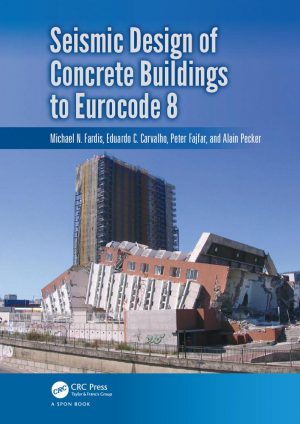
Seismic Design of Concrete Buildings to Eurocode 8 – Michael N. Fardis (KEBT0026)
Reinforced Concrete Structure Book
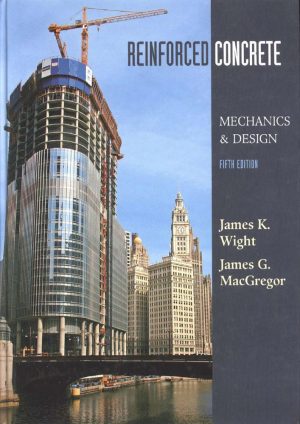
Reinforced Concrete Mechanics and Design – James K. Wight (KEBT0025)

Reinforced Concrete Structure Book

Reinforced Concrete Structure Book
Standard Method of Detailing Structural Concrete A manual for best practice (KEBT0028)

Reinforced Concrete Structure Book
High Strength Concrete to Singapore Standard CP 65 – BCA Academy (KEBT0012)

Reinforced Concrete Structure Book
2006 IBC Structural Seismic Design Manual 1 – SEAOC (KEBT0016)

Reinforced Concrete Structure Book

Reinforced Concrete Structure Book
Multi-Storey Precast Concrete Framed Structures – Kim S. Elliott (KEBT0004)

Đánh giá
Chưa có đánh giá nào.